Navigating Maternal Mental Health with Chelsea from Graceful Therapy
Empower Her Fitness | JUN 6, 2023
postpartum
mental health
perinatal mood disorders
Navigating Maternal Mental Health with Chelsea from Graceful Therapy
Empower Her Fitness | JUN 6, 2023
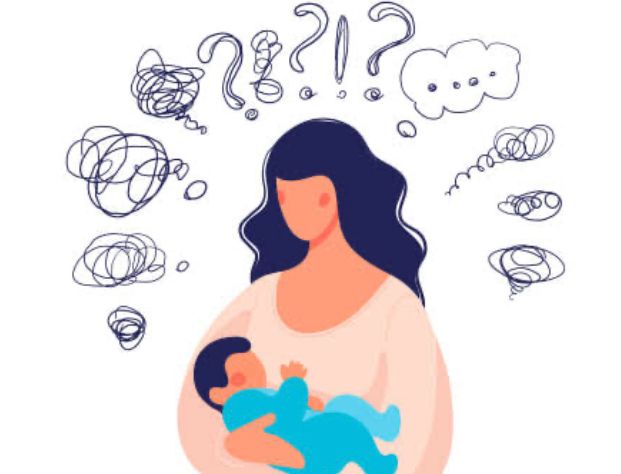
Hey there, fellow mamas of the Chicago suburbs! At Empowered Mama Fitness, we’re passionate about being a resource for all things related to the pregnancy and childbearing years, and this blog post is dedicated to the often overlooked but incredibly important topic of maternal mental health and postpartum mood disorders.
In May, which was mental health awareness month, we had the honor of hearing from Chelsea Solorzano LMFT - PMH-C of Graceful Therapy in our monthly webinar (watch it here!), who shared some enlightening insights on what to expect emotionally in your postpartum time, including what’s normal, what’s not, and when to seek help.
There are an incredible amount of ups and downs that come with having a new baby, and contrary to what most new moms post on social media, you can expect some hard and messy (literally and emotionally) days. The truth is that most of us grapple with a range of emotions that can leave us feeling overwhelmed, exhausted, and sometimes even lost. To shine a light on the reality of our mental well-being as mothers, Chelsea provided us with some helpful practical guidance for what to expect and how we can take care of ourselves through this oftentimes tumultuous season.
For starters, Chelsea recommends practicing self-compassion and kindness. This is really a life-long journey, but it can be extra beneficial to be more intentional about it during your pregnancy, in preparation for your postpartum time.
Whenever you’re feeling dysregulated, Chelsea suggests following these three steps:
Step one: Acknowledge the moment of difficulty or distressing feeling
Step two: Remind yourself you are not alone
Step three: Choose kindness
(Take a break, self soothe, ask for help, rest, do a task you need to, set boundaries, etc.)
(Make sure kids are safe/cared for, express your thoughts using effective communication skills, etc.)
In moments of stress, say to yourself, “I can feel what I’m feeling, AND I can still choose kindness.”
With this practice as your foundation, let’s move on to move on to the specifics of postpartum mental health.
“Is what I’m feeling normal?”
Becoming a new mama is a huge transition that comes with a ton of overwhelming emotions. When these emotions inevitably come, gently and compassionately take note of the frequency, intensity, and duration of any distressing feelings, and reassure yourself that a sense of overwhelm is normal during this time.
If you are experiencing: a wide range of emotions, wrestling with a shift in your identity, tiredness, feeling like you don’t know what you’re doing, overwhelm, crying, or worry, know that these are all within the spectrum of normal.
With all of these, it’s important that you notice if your emotions are interfering with your ability to experience joy, happiness, or connection. If you do feel that you’re struggling with these things, that’s a sign that you may need some extra help - and that’s okay!
Facts about Perinatal Mental Health:
Baby Blues are normal, transitory, and very common, with about 80% of new moms experiencing them. This only applies to the first two days to two weeks after giving birth, usually peaking at day 5. Symptoms of the baby blues are tearfulness, mood swings, feeling easily overwhelmed, and exhaustion. These feelings may feel overwhelming and distressing at times, but the intensity of them does come down, and these wild emotions shouldn’t affect your ability to connect with your baby and your family.
After two weeks, if you’re still experiencing distressing symptoms that are interfering with your life, you may be entering into the territory of a mood or anxiety disorder, which affects up to one in seven new mamas.
The three most common PMADs (perinatal mood and anxiety disorders) are perinatal (AKA postpartum) depression, perinatal anxiety, and perinatal OCD. These typically pop up shortly after the first two weeks postpartum, but they can really come on any time within the first year.
Perinatal Depression:
Perinatal Anxiety:
Perinatal OCD:
Your partner or other close loved one can help you to identify if you fall into any of these categories. While you’re caught up in the hormones and emotions of the postpartum time, it may be difficult for you to pinpoint exactly what you’re going through. But someone who knows you really well and spends a lot of time with you could have a better feel for if things seem off.
A note on Postpartum Psychosis:
Postpartum psychosis is a rare (occurring in only about 1-2 out of every 1,000 deliveries) but serious illness that needs to be treated as an emergency. Onset is usually sudden, and typically within the first two-week window.
Symptoms can vary, but can include:
Risk factors for postpartum psychosis are personal or family history of bipolar disorder, or previous psychotic episodes, so if you have any of these, make sure that you and your loved ones are educated and know what to look for so you can get help quickly if needed.
Thankfully, postpartum psychosis is absolutely treatable! If you’re experiencing symptoms or if your partner is noticing them in you, it’s so crucial that you seek emergency help immediately so that you can be treated and monitored.
It’s also important to note that PPP is NOT that same as having scary or intrusive thoughts, as with Postpartum OCD. The difference is that with OCD, you are very unsettled by the intrusive thoughts which makes you unlikely to act on them.
Know Your Risk Factors
There are a variety of things that could make you more susceptible to developing a PMAD, which include:
Please don’t be alarmed at this long list of risk factors. If you have one or many, it doesn’t mean that you will experience a PMAD! Consider this list an invitation to be on the look-out for a postpartum situation in which you might just need a bit more help and self-kindness to get you through this rocky stage.
Why can it feel so hard to get help?
Especially if this is your first baby, you really don’t know what to expect! You may assume that what you are experiencing is normal, when really it’s outside the realm of emotional healthiness. Having a baby is hard - for everyone! Not just for those experiencing PMADs. This is why it’s so important for you and those closest to you to be educated on what to expect and look out for.
It may be hard to reach out for help because you feel guilty. Society places such high expectations on mothers, and if your reality doesn’t line up with what you’ve been told motherhood should look like, that can induce a lot of guilt and shame. You may be worried about what others will think of you if you ask for help, and worry that something is wrong with you.
Thankfully, there has been a ton of forward progress in destigmatizing mental health, but it can absolutely still feel hard and scary. We are here to cheer you on and encourage you to reach out if you feel that you need a bit of help - or even if you’re just unsure! A quick phone call or email can’t hurt.
Nurturing Yourself
One of the best things you can do to prepare yourself for motherhood, with all its highs and lows, is to get really good at caring for yourself.
Be Mindful: Learn to observe what you’re feeling emotionally and physically, and to let it pass without having to control it. Pausing for a moment, being curious, and being gentle with yourself goes a long way.
Soothe: When you notice your emotions feel big and circumstances feel stressful, learn ways to soothe and care for yourself. Just as you soothe your baby when they’re upset, you can do this for yourself, too. (And when you are in a regulated state, your baby will be more likely to be calm, too!)
For example, take several deep breaths (focusing on a longer exhale), practice self-compassion, listen to music, notice five things around you using your five senses, or give yourself a hug. While there may not be margin in your life for a big, extravagant day out or vacation, you can definitely squeeze some simple but powerful self care in throughout your day as a new mama.
Rest: Caring for a baby can be totally exhausting, and one of the biggest things you can do to guard your mental health is to get at least one 3-4 hour stretch of sleep per night. This can be challenging, and may entail some creativity to get the rest you need. Some ideas are taking a nap after dinner while your partner is still awake, trading shifts, and napping when your baby naps. If you are feeling overwhelmed with some PMAD symptoms, this should be your first course of action. After you’ve had a healthy chunk of sleep, you may notice that these distressing symptoms immediately decrease or disappear altogether.
Connecting as a Couple
If you’re in a partnership, nurturing that relationship is also crucial to your success in the postpartum time.
Listen to and look at each other: Take a minute or two each day to talk to and look into each other’s eyes. Truly seeing one another can go a long way in carrying you and your relationship through these chaotic days.
Reach for each other instead of turning away: Help each other to feel seen and cared for by sharing how you’re feeling, asking for what you need, and taking a moment to listen to each other, using “I statements” and reflective listening. From here, you can come up with a plan for how you can support each other practically - and where you need to reach outside of your partnership for extra support.
Enjoy each other in small ways: Finding even a few small ways to connect each day can make a huge difference. Take a few moments to delight in your new baby together, laugh together about something small, snuggle together on the couch for a bit. Be intentional and creative, and notice the little things that spark joy in the midst of this roller-coaster season.
Treatment for PMADS
As mentioned above, help is available if you think you may need it! If you’re unsure, it’s always best to err on the side of caution and reach out to a professional who can help you assess your situation.
If you do decide to reach out for help, it doesn’t necessarily mean that you’ll be prescribed medication, although that can definitely be a part of your plan. Your course of action could look like any combination of the following:
Conclusion
While we all have different dispositions and risk factors for developing a PMAD, it can be helpful to remind yourself that having a new baby is hard for everyone. It’s not just you, and it’s not just some new moms. ALL new moms have a hard time in one way or another in adjusting to life with a new baby.
The best way to prepare yourself for this inevitably difficult season (yes, it is just a season!) is to learn what to expect, what’s normal, and when to ask for help. Even though our society isn’t set up to give new moms the nurture and care that we all need and deserve, there are compassionate helpers who will make themselves available to help get you through this time. Whether it’s your partner, friend group, support group, your OB/GYN, a mental health professional, or a combination of several of these, please give yourself the gift of intentionally building a community of support around yourself.
You are a good mom, and you’re worth it.
Cheering you on,
Kelly
PS. Here are some reflection questions to consider as you prepare for your postpartum time:
Resources:
Graceful Therapy, offering virtual and in-person therapy services to individuals, couples & families. Located in the Oswego and Aurora area, but serving mamas virtually from anywhere.
Postpartum Support International (PSI): www.postpartum.net
Recommended reading:
Good Moms Have Scary Thoughts by Karen Kleiman
And Baby Makes Three (for couples) by John and Julie Gottman
Becoming Us by Elly Taylor
The Pregnancy & Postpartum Anxiety Workbook by Pamela Wiegartz and Kevin Gyoerkoe
Empower Her Fitness | JUN 6, 2023
Share this blog post